2nd Sunday in Ordinary Time 2026
Isaiah 49:3, 5-6 1 Cor 1:1-3 John 1: 29-34
 The Gospels are always presenting us with images of Jesus in order to help us understand him and to be open to his presence and his ministry in our lives. During the Christmas/Epiphany liturgical season we are given titles such as Infant King, Messiah, Emmanuel, Saviour – images that comfort us with the reality of the Lord’s presence among us and the assurance of his protection and help. Later in the Gospels we are presented with what is perhaps the most familiar image of the Lord – the Good Shepherd. The Good Shepherd gives us the comfort of knowing that we are watched over by a loving and caring pastor.
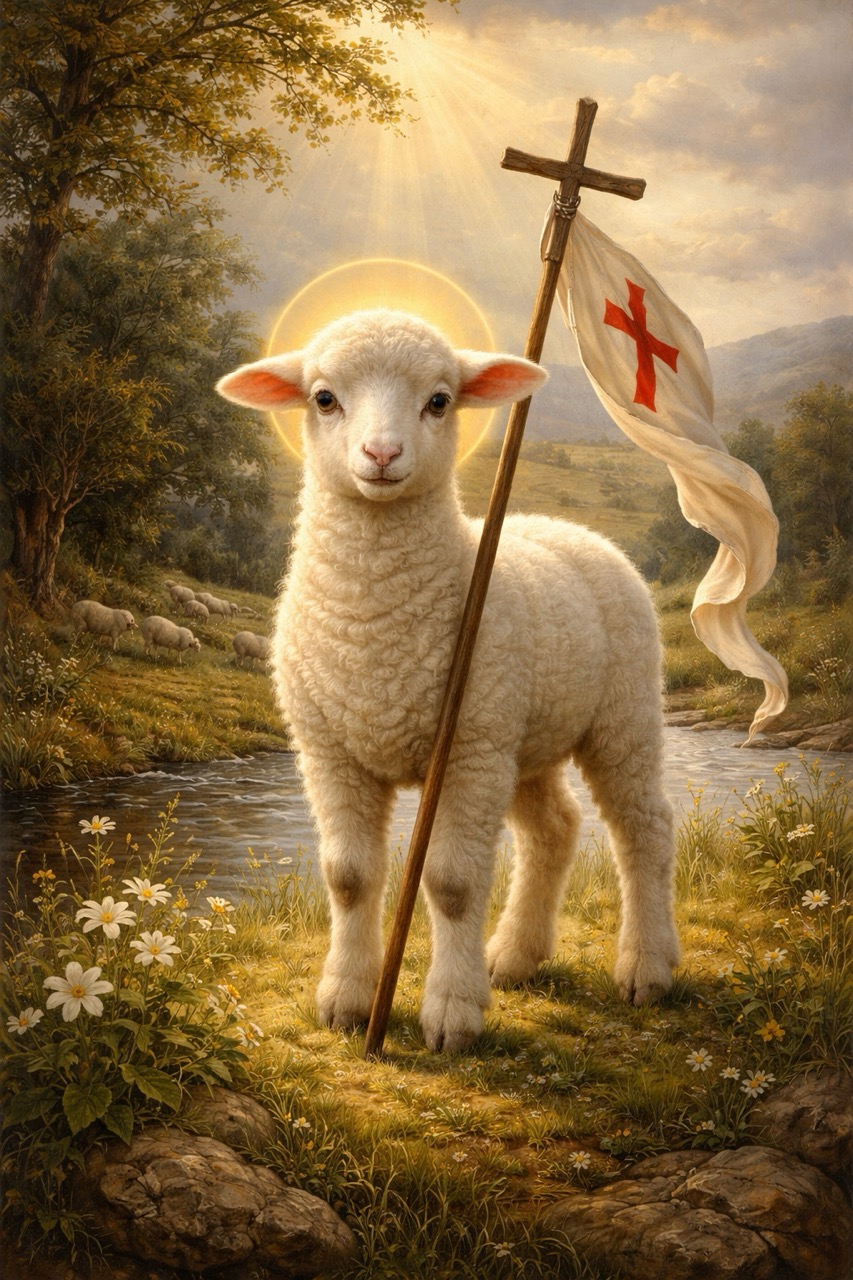
The image that St John the Baptist uses in the event of today’s Gospel reading is that of the Lamb of God. The Lamb who was slain is an image that has a deep meaning in the entire History of our Salvation. In Jewish thought and tradition whenever they wanted to plea with God for what they needed or wanted to make reparation for sins or transgressions or when they wished to make an agreement with God, they sacrificed a Lamb. They prepared it and ate it in ceremonial fashion. This ritual bound them together, made reparation for their faults and gave glory to God.
We are not troubled by the same burdens of oppression, persecution and exile that the people ‘who walked in darkness’ were. Our heavy burden is the burden of guilt. And the ultimate search for all of us is freedom of conscience. Freedom of conscience leads to Peace, inner peace, peace of mind and spirit.
John the Baptist proclaims that Jesus, being the Lamb of God is the One to free us from the guilt that is our sin and bring us into peace with our God.
The image of Lamb also links us with Redemption from the slavery of sin, which was won by the Cross of Jesus. The Passover, which was the annual remembrance of liberation for the Hebrew people took place at that time of year when it is chronicled that Jesus died on Calvary.
The image of Lamb has other connections too. The Hebrew word for lamb is talia which also means servant. So John the Baptist may also have meant his words as a reference to the Servant of God who bears the sins of the world. Our 1st Reading from Isaiah invites us to interpret the Gospel in this light. Isaiah portrays the Lamb as a gentle, innocent one who is led to death so that “salvation may reach to the ends of the earth.”
Each time we celebrate the Eucharist we are called again to “Look! Here is the Lamb of God who takes away the sins of the world!” Because our guilt has been lifted, we can approach our Lord with ease and confidence and familiarity. We can rejoice and be Happy to be called to His Table and receive the Bread of Life.
‘Yes, I have seen and I am the witness that He is the Chosen One of God’ (John Baptist John 1:34)